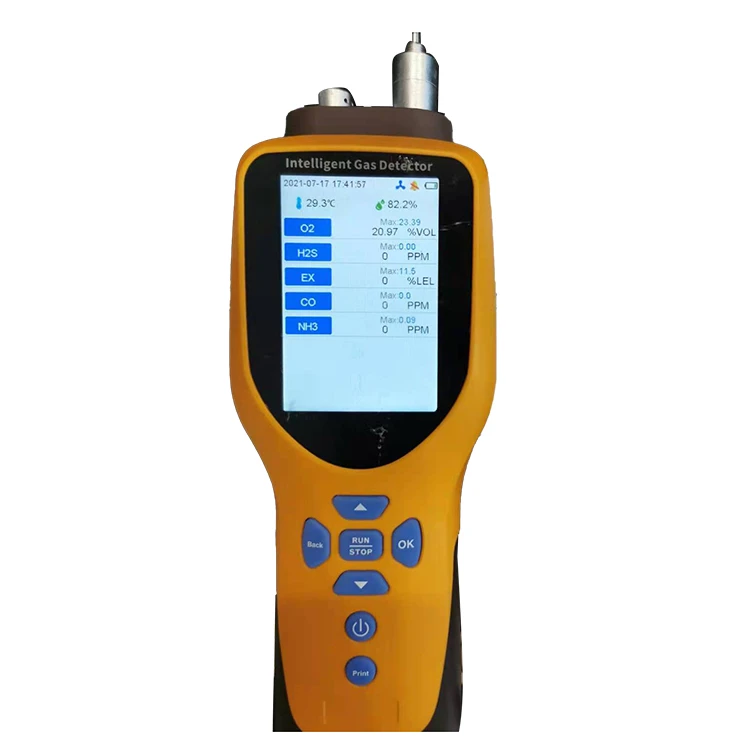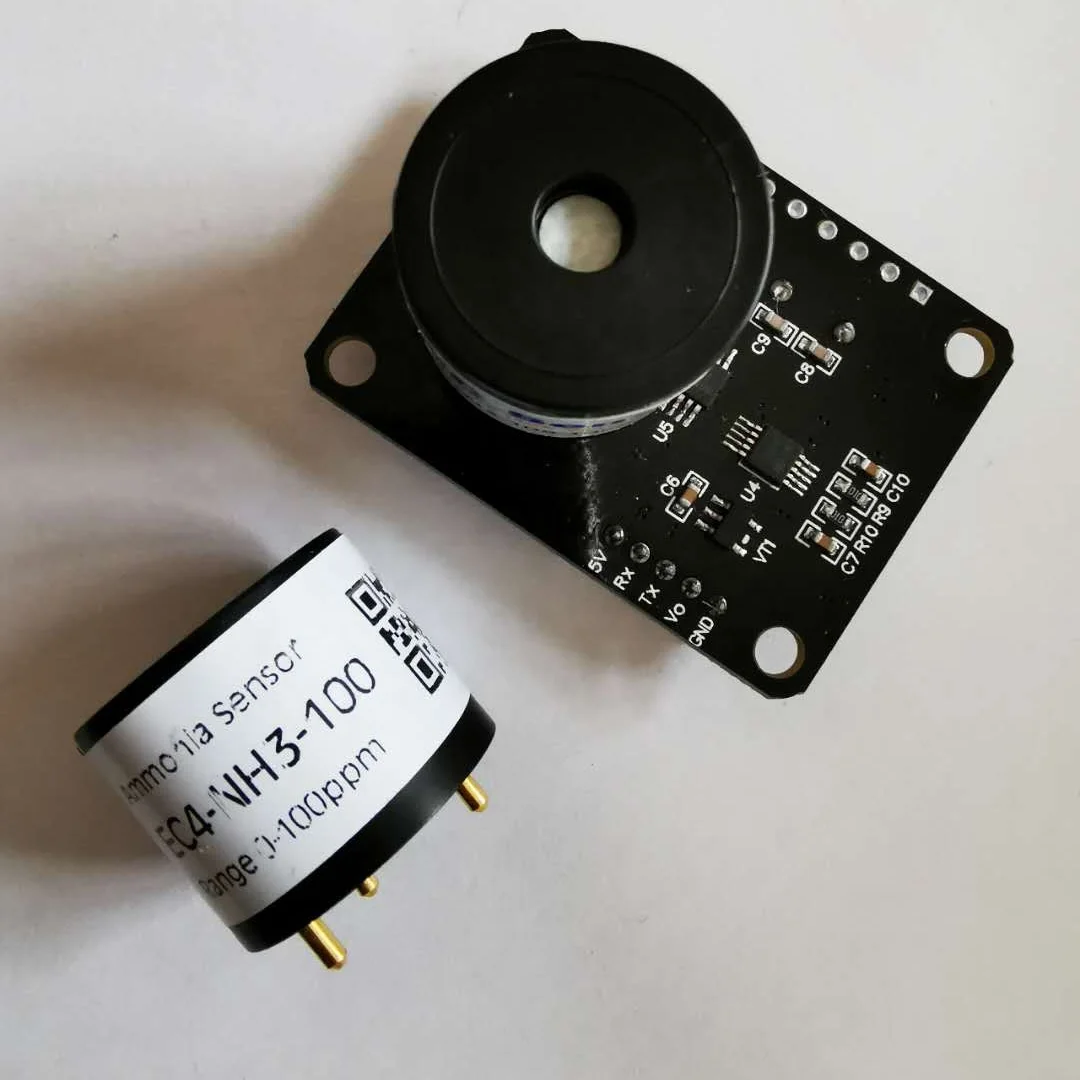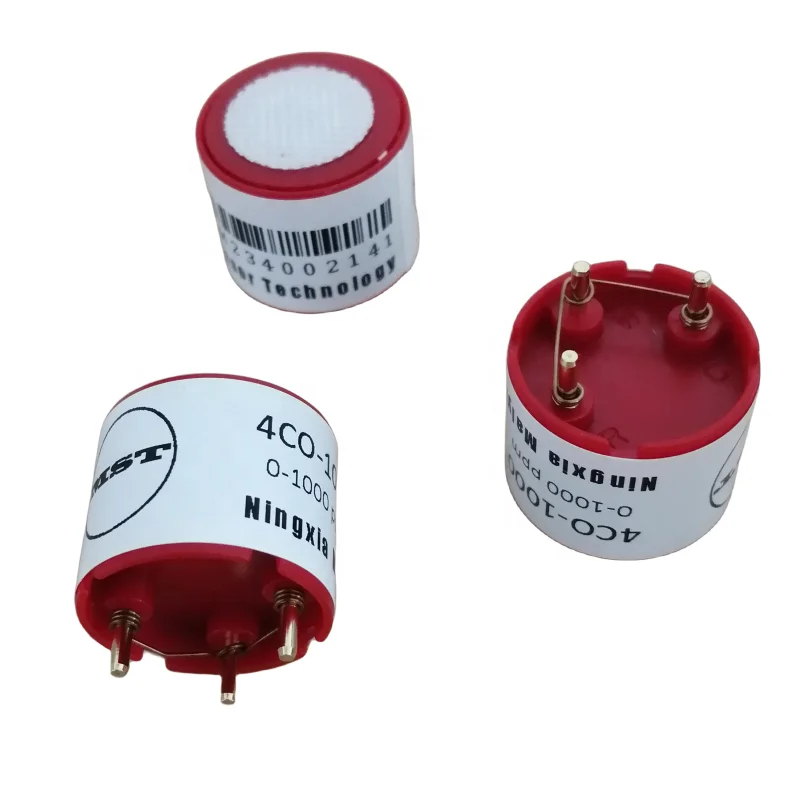
ऊर्जा को पकड़ने, संग्रहीत करने और मांग के अनुसार जारी करने के लिए एक प्रमुख परियोजना के रूप में, ऊर्जा संग्रहण परियोजनाओं का व्यापक रूप से बिजली प्रणालियों, नवीकरणीय ऊर्जा वाहनों, घरेलू ऊर्जा संग्रहण और अन्य क्षेत्रों में उपयोग किया जा रहा है। पंप द्वारा संग्रहण, लिथियम बैटरियाँ और संपीड़ित वायु जैसी तकनीकों के माध्यम से, ये न केवल ग्रिड स्थिरता सुनिश्चित करते हैं, बल्कि नवीकरणीय ऊर्जा के उपभोग को भी बढ़ावा देते हैं। हालाँकि, लिथियम-आयन बैटरियों में ऊष्मीय अनियंत्रण (थर्मल रनअवे) की आग दुर्घटनाओं के बार-बार घटित होने के साथ, सुरक्षा उद्योग का एक प्रमुख ध्यान केंद्र बन गई है, और गैस का पता लगाना ऊष्मीय अनियंत्रण को विस्फोट में बदलने से रोकने का मुख्य साधन है।
I. ऊर्जा संग्रहण सुरक्षा का दर्द बिंदु: ये गैसें ऊष्मीय अनियंत्रण के "अदृश्य हत्यारे" हैं
लिथियम बैटरियों के ऊष्मीय अनियंत्रण के कारण होने वाली सुरक्षा दुर्घटनाएँ इस प्रक्रिया के दौरान निकलने वाली विभिन्न खतरनाक गैसों से उत्पन्न होती हैं, जिनके साथ हाइड्रोजन ऊर्जा संग्रहण प्रणालियों में संभावित हाइड्रोजन रिसाव भी जुड़ा हो सकता है, जो मिलकर सुरक्षा जोखिमों का निर्माण करते हैं:
इसलिए, तापीय अस्थिरता की प्रारंभिक चेतावनी और खतरे के तीव्र होने को रोकने के लिए H₂, VOCs और CO जैसी विशिष्ट गैसों की सटीक निगरानी अत्यंत महत्वपूर्ण है।
II. मुख्य समाधान: MST संयुक्त सेंसर तापीय अस्थिरता की पूर्ण-अवस्था प्रारंभिक चेतावनी को कवर करते हैं
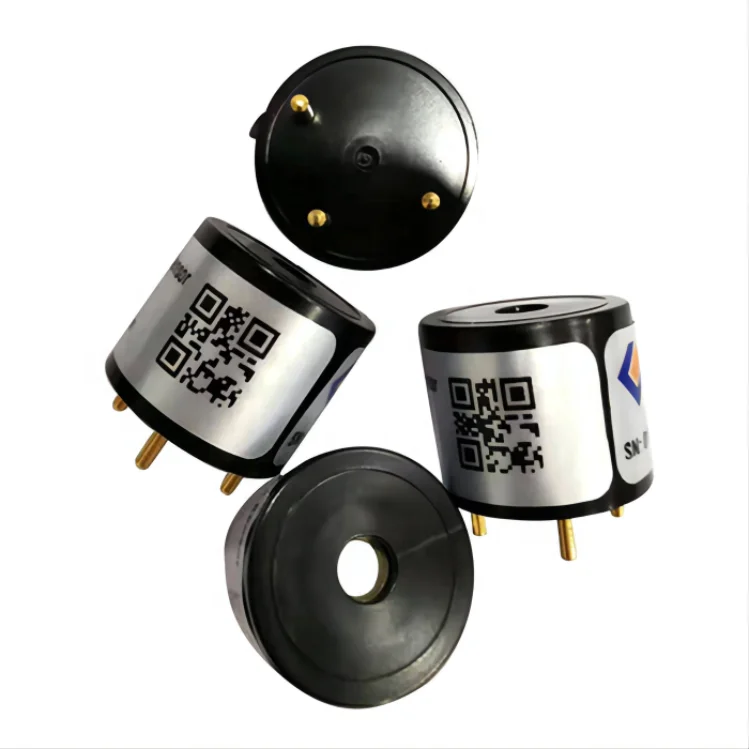
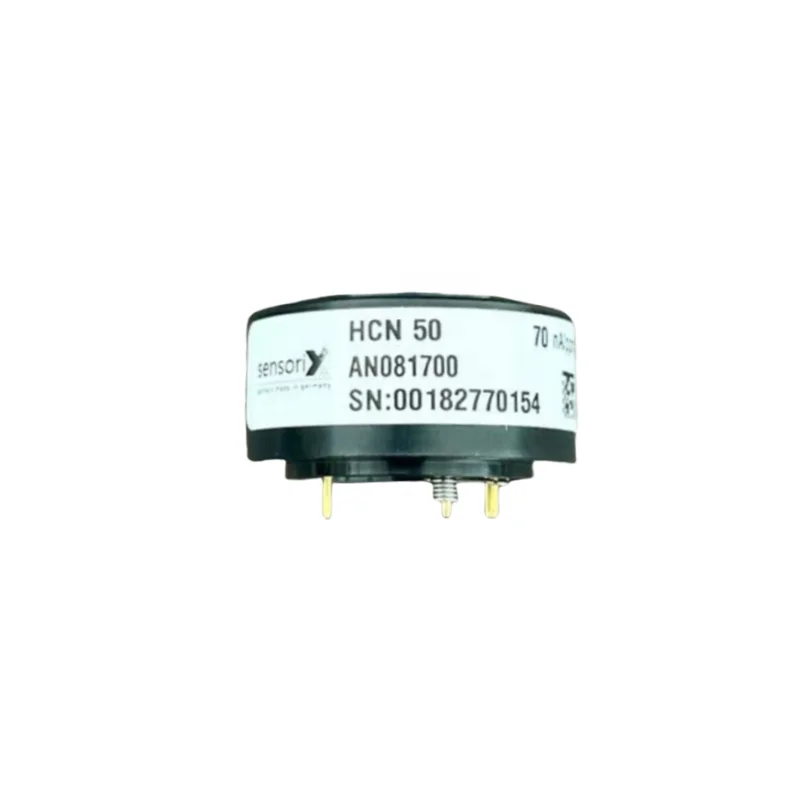
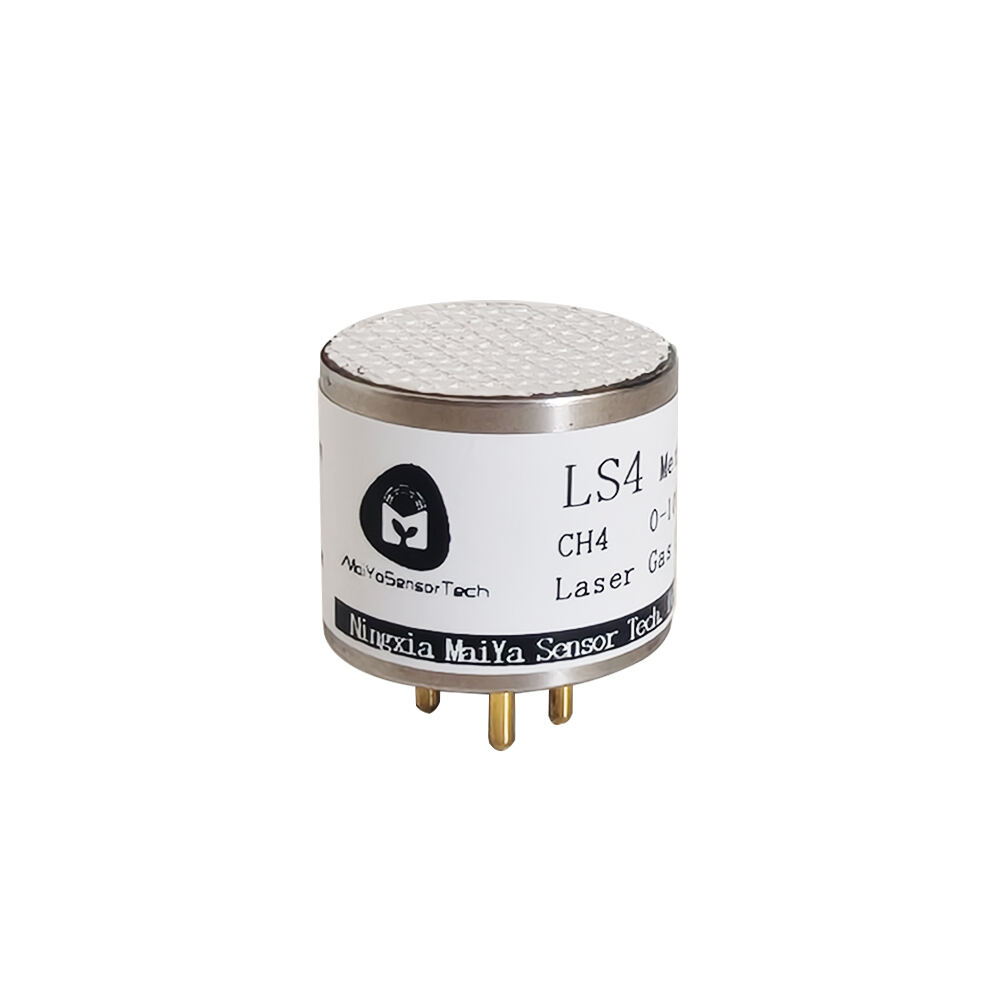
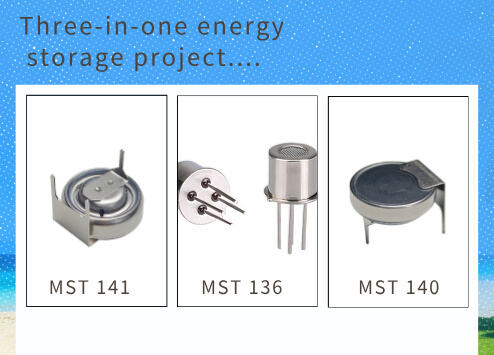
ऊर्जा भंडारण परियोजनाओं की गैस मॉनिटरिंग आवश्यकताओं को पूरा करने के लिए, हमारी कंपनी एक "पूर्ण-चरण पूर्वचेतावनी संयुक्त समाधान" लॉन्च करती है — MST136 स्पेक्ट्रल गैस सेंसर + MST140/MST141 इलेक्ट्रोकेमिकल सेंसर, जो उच्च-परिशुद्धता का पता लगाने और त्वरित प्रतिक्रिया के बीच संतुलन बनाए रखता है, जो लिथियम बैटरी और हाइड्रोजन ऊर्जा भंडारण जैसे विभिन्न परिदृश्यों के लिए पूर्णतः अनुकूलित है।
1. पूर्वचेतावनी: MST136 वायु गुणवत्ता (दुर्गंध) सेंसर
थर्मल रनअवे के आरंभिक चरण में, गैस उत्सर्जन के दौरान VOCs सबसे पहले मुक्त किए जाते हैं, जो "पूर्वचेतावनी संकेतों" के रूप में कार्य करते हैं। एक व्यापक-स्पेक्ट्रम गैस सेंसर के रूप में, MST136 अत्यंत सूक्ष्म अपचायक गैसों (जिनमें VOCs शामिल हैं) के प्रति अत्यधिक संवेदनशील है, जो बैटरी के क्रांतिक तापमान तक पहुँचने से पहले ही असामान्य संकेतों को पकड़ सकता है, जिससे कर्मचारियों को मूल्यवान प्रतिक्रिया समय प्राप्त होता है।
2. जोखिम की पुष्टि: MST141 इलेक्ट्रोकेमिकल गैस सेंसर
जैसे-जैसे तापीय अस्थिरता (थर्मल रनअवे) आगे बढ़ती है, लिथियम बैटरियाँ हाइड्रोजन (H₂) की एक बड़ी मात्रा में निकास करती हैं। चूँकि हाइड्रोजन अत्यधिक ज्वलनशील और विस्फोटक है, यह जोखिम के तीव्र होने का मुख्य संकेतक है। MST141 हाइड्रोजन सांद्रता की त्वरित और सटीक निगरानी कर सकता है, जिससे ज्वलनशील गैस के जमाव के बारे में वास्तविक समय में अंतर्दृष्टि प्राप्त होती है।
3. आपातकालीन प्रतिक्रिया: MST140 इलेक्ट्रोकेमिकल सेंसर
कार्बन मोनोऑक्साइड (CO) की सांद्रता में एक महत्वपूर्ण वृद्धि का अर्थ है कि थर्मल रनअवे एक हिंसक और अधिक खतरनाक चरण में प्रवेश कर चुका है, जिसके साथ खुली लपटें या उच्च तापमान भी हो सकते हैं। इस समय, निरीक्षकों को पोर्टेबल डिटेक्टर पहनने चाहिए, और समय रहते वास्तविक समय में निवारक निगरानी की जानी चाहिए। MST140 कार्बन मोनोऑक्साइड के प्रति अत्यंत तीव्र प्रतिक्रिया देता है तथा इसमें एक अद्वितीय रिसाव-रोधी संरचना है, जो निवारक निगरानी और पोर्टेबल डिटेक्शन अनुप्रयोगों के लिए उपयुक्त है।
"H₂ + TVOC + CO" की संयुक्त निगरानी "संदिग्ध चेतावनी → जोखिम पुष्टि → आपातकालीन प्रतिक्रिया" तक एक सटीक निर्णय-लेने की प्रक्रिया को सुनिश्चित करती है, जो ऊर्जा भंडारण परियोजनाओं की सुरक्षा रेखा की दृढ़ता से रक्षा करती है।
मित्रतापूर्ण याददाश्त
ऊर्जा भंडारण परियोजनाओं में गैस का पता लगाने पर "पूर्ण-चरण कवरेज" और "त्वरित प्रतिक्रिया" पर ध्यान केंद्रित करना चाहिए: प्रारंभिक संकेतों को पकड़ने के लिए VOCs (वाष्पशील कार्बनिक यौगिकों) की निगरानी पर निर्भर रहें, मध्य चरण में जोखिम की पुष्टि के लिए हाइड्रोजन का उपयोग करें, और उत्तरार्द्ध चरण में आपात स्थितियों की चेतावनी के लिए कार्बन मोनोऑक्साइड पर निर्भर रहें। सेंसर्स को बैटरी कम्पार्टमेंट्स, ऊर्जा भंडारण कैबिनेट्स के अंधे कोनों और गैस संचय क्षेत्रों में प्राथमिकता के साथ तैनात किया जाना चाहिए, ताकि कोई भी निगरानी अंधा क्षेत्र न रहे।
अंतःक्रियात्मक मार्गदर्शन
क्या आपकी ऊर्जा भंडारण परियोजना थर्मल रनअवे (तापीय अनियंत्रण) की प्रारंभिक चेतावनी की चुनौतियों का सामना कर रही है? या क्या आप MST संयुक्त सेंसर्स की विशिष्ट अनुकूलन योजनाओं (जैसे लिथियम बैटरी ऊर्जा भंडारण, हाइड्रोजन ऊर्जा भंडारण परिदृश्यों) के बारे में जानना चाहते हैं? कृपया "ऊर्जा भंडारण सेंसर + परियोजना प्रकार" के साथ एक निजी संदेश भेजें, और हम आपको व्यक्तिगत तकनीकी परामर्श तथा अनुकूलित समाधान प्रदान करेंगे!
 ताज़ा समाचार
2026-03-04
2026-02-12
2025-11-21
2025-11-13
2025-11-13
2025-10-29

 EN
EN